 ÇAPAMUN'26
Agenda Item: Challenges to NATO Unity and Security in Europe in 1966
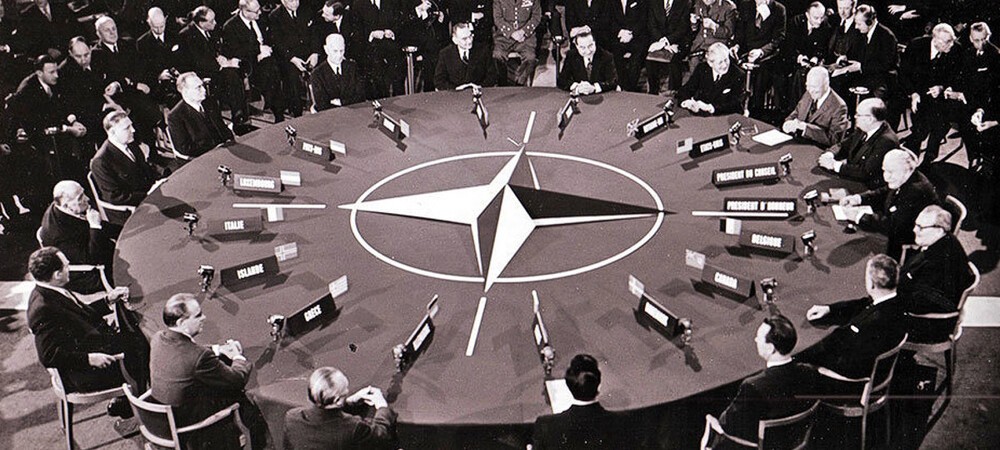
This agenda is about a time when NATO was divided inside, not just threatened from outside. After France left NATO’s military command in 1966, many countries started questioning US leadership and how NATO should work. There were arguments about who controls nuclear weapons, who pays more for defense, and whether NATO was still united. At the same time, the Soviet Union and the Warsaw Pact were very strong in Central Europe, especially around Germany and Berlin, which kept the risk of war high.
From 1966 to 1970, NATO members disagreed on how to stay safe. Some countries believed security meant strong armies and deterrence, while others believed talking to the Eastern Bloc (détente) could reduce tension and prevent war. West Germany began early Ostpolitik, trying limited dialogue with the East, while countries closer to the Soviet threat wanted a tougher stance. The Harmel Report (1967) tried to solve this by saying NATO should do both: stay militarily strong and also support dialogue. This agenda asks how NATO managed these disagreements while still protecting Europe.