 ÇAPAMUN'26
Agenda Item 1: Evaluation of NATO’s role in the Yugoslav Wars
Agenda Item 2: Supervision of Illegal Armament and Post-Conflict Reconstruction Process in War-Affected Regions
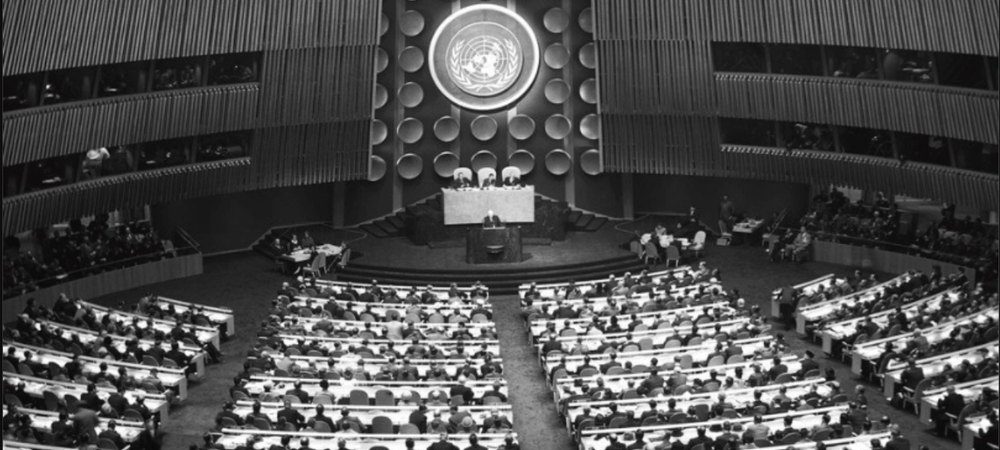
The Disarmament and International Security Committee (DISEC) is one of the main committees of the United Nations General Assembly. The committee is responsible for addressing issues related to global security and disarmament. The primary are of focus of the committee are preventing armed conflicts, supervision of weapons, and promoting international cooperation to maintain peace and stability. Since our committee's agenda items are based on past occasions, the time is set to past. The main purpose of the committee is to develop sustainable solutions, recreate events and reevaluate the decisions made in the past. Delegates are expected to adopt the roles of historical members and cooperate in order to create an alternative future while aiming to take better desicions than reality.
The first agenda item focuses on a extensive evaluation of NATO’s involvement in the Yugoslav Wars during the 1990s. Main purpose is to analyze the political, legal, and humanitarian aspects of NATO’s military interventions. Delegates are expected to evaluate NATO’s actions within the framework of international law, state sovereignty, the authorization of force, and humanitarian intervention. Furthermore, delegates are expected to have discussions on the short and long term consequences of NATO’s involvement. By examining diverse international perspectives, the committee aims to reassess and make alternative desicions on NATO’s role in Yugoslav Wars.
The second agenda item addresses the critical issue of the uncontrolled circulation of weapons left from the war and its impact on sustainable peace environment also with the need of post-war reconstruction movements through the region. The agenda highlights the importance of effective disarmament, demobilization, and reintegration programs, as well as international monitoring mechanisms. Delegates are expected to reconsider the role of international organizations, regional actors, and local governments in supervising the weapons left form the war, strengthening security authorities, developing new reconstruction plans and promoting long-term development for the countries. The ultimate purpose of this agenda is to propose cooperative actions in order to support countries in their recovery process and promote lasting peace in these regions.