 ÇAPAMUN'26
Agenda Item: Open Agenda
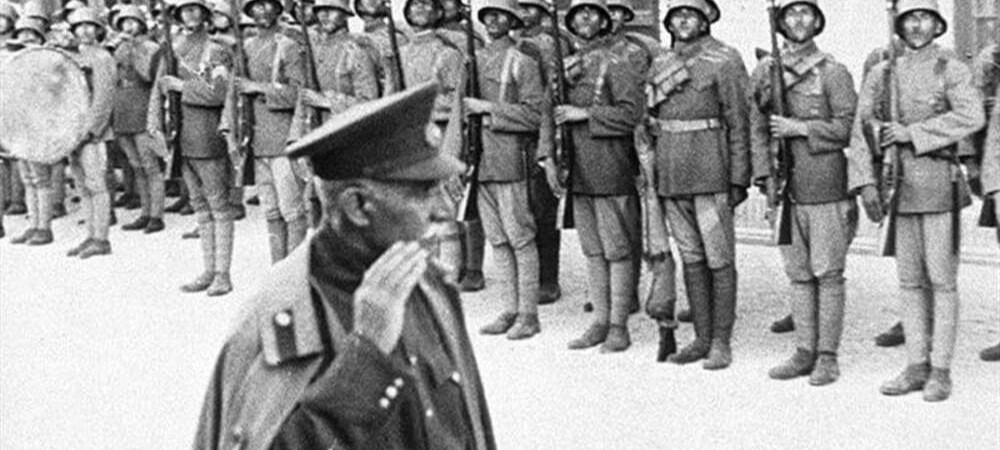
The occupation of Iran during World War II is considered one of the most important turning points in the country’s contemporary history. In September 1941 (Shahrivar 1320), despite Iran’s declaration of neutrality, the Allied forces occupied Iranian territory due to the country’s strategic location, concerns about Nazi Germany’s influence, and the importance of supply routes. This event had far-reaching political, economic, and social consequences, including the abdication of Reza Shah, the weakening of national sovereignty, economic pressures on the people, and the formation of a new atmosphere in Iran’s domestic and foreign policy, the effects of which remained for years to come.
With the aim of comprehensively and analytically examining the occupation of Iran, this committee begins its work from the period before the occupation and continues by studying the context, political decisions, and international relations affecting this event. Then, the occupation process, the actions of the occupying forces, the reaction of the Iranian government and society, and its short-term and long-term effects are examined. Finally, by analyzing the consequences of the occupation and its results after the end of the war, the committee attempts to reach an accurate and realistic conclusion and provide a deeper understanding of the place of this event in Iranian history.